jeep warranty field guide for owners who actually drive
I spend more time in dusty service bays than glossy showrooms, and that colors how I look at coverage. A jeep warranty is most helpful when you keep things simple, stay flexible, and document what matters. And yes, I'm a touch skeptical - promises read well, but proof and attitude decide outcomes.
Coverage at a glance
Think of it as protection against defects, not a blank check. Time and mileage limits vary by model year and region, so read your booklet once, then mark the expiry in your phone.
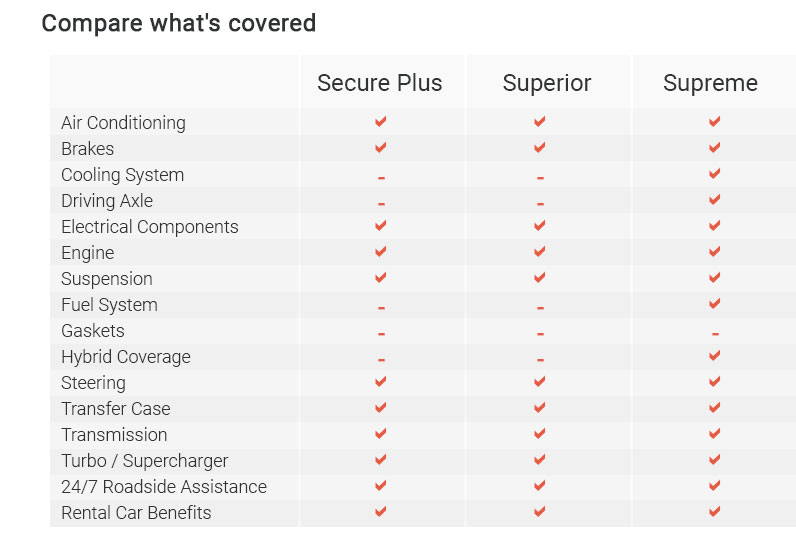
Powertrain: engine, transmission, transfer case, and axle internals when a defect causes failure.
Comprehensive defects: materials or workmanship on many components; trim and small bits often have shorter timelines.
Corrosion perforation: rust-through on body panels, not surface spots from rock chips.
Emissions and safety electronics: covered to specific standards; modules may require software updates first.
Roadside assistance: often included for a period; towing to the nearest authorized shop is common.
Skeptical aside: "Lifetime" sometimes means "until a limit you'll only find in the fine print." Ask for the exact terms in writing.
What it usually doesn't cover
Wear items: brake pads, wiper blades, clutches, bulbs, and glass chips from road debris.
Damage judged as abuse: overloading, deep-water hydrolock, or impacts; off-road use alone isn't abuse, but broken parts from a hard hit typically aren't covered.
Aftermarket-caused failures: tunes, non-spec lifts, or parts that contribute to the issue.
Maintenance: alignments, fluids, filters - unless tied to a covered repair.
No-fault-found noises: intermittent rattles without a verifiable defect can be deferred.
Make claims the easy way
Document the symptom: note when it happens, speeds, temperatures; snap a photo of dash lights.
Bring basics: registration, VIN, mileage, and service records. Simple folders beat long speeches.
Describe, don't diagnose: "shudder at 40 - 50 mph uphill" is better than "the driveshaft is bad."
Ask for TSB checks: a technical service bulletin can fast-track fixes without debate.
Get it on the repair order: every concern written down; ask for part numbers and software versions after the visit.
Stay calm, escalate cleanly: advisor → service manager → regional rep if needed. Keep notes.
Trail-day moment
After a rain-soaked run outside Moab, my dash lit up ABS and 4WD warnings. I limped to an authorized shop two towns over with photos, mileage, and a short list of what I'd felt. Stock tire size, maintenance on schedule, no tuning. They traced it to a wheel-speed sensor and replaced it under warranty the same afternoon. The advisor mentioned a lift might have added questions; proof-of-maintenance and a clear symptom log kept things simple.
Keep your leverage simple
Records win: keep receipts for oil, filters, and spec-grade fluids; digital copies live longer than glovebox paper.
One change at a time: avoid stacking mods right before a visit; it muddies cause and effect.
Ask for root cause: "what failed and why" should be on your paperwork.
Photograph codes: if they scan it in front of you, politely note freeze-frame data.
Know your rights: warranty laws vary; the provider must show a modification actually caused the failure to deny coverage.
Flexibility you can use
Coverage often includes transfer to the next owner, multiple authorized dealers, and remote support. Use that to your advantage.
Try another dealer: different technicians, different experience - second opinions solve stalemates.
Time your visit: intermittent issues show up better after a long, warm drive; bring it in while the symptom is active.
Ask about transportation: loaners or rideshare credits exist in some programs - no harm in checking.
Manufacturer vs third-party contracts
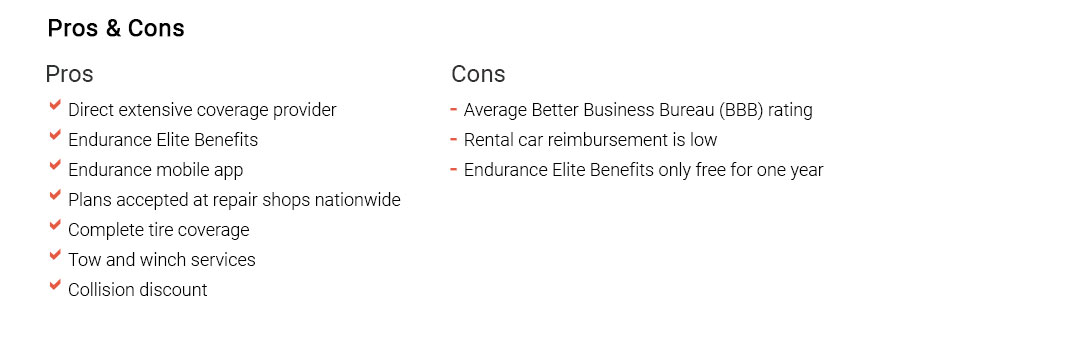
Service contracts can add runway after factory coverage. Not mandatory; just a tool if the math works for you.
Backed by the automaker: usually better parts sourcing and diagnostic coverage.
Know the deductible: per visit or per repair line changes costs.
Read the exclusions: look for electronics, steering, sensors, and labor rates; wear items are typically excluded.
Transfer and cancel: confirm fees and pro-rata refunds in writing.
Price shop: quotes can vary widely; if it seems unbelievably cheap, coverage probably is.
Buying used? Quick warranty checklist
Confirm in-service date and remaining time/miles.
Verify transfer status; some plans require a small fee and a deadline.
Scan for codes and pending faults before purchase.
Match tire size and gearing to factory specs or note changes for future claims.
Get a pre-purchase inspection and keep it with the title packet.
Plain-language essentials
Keep maintenance simple, communication clear, and expectations realistic. Use the flexibility built into the system - choice of dealer, request for TSBs, clean records - to tilt outcomes your way. That's how a jeep warranty stops being paperwork and starts being value.
https://www.jeep.com/warranty.html
Sign in to the Mopar Owners Site to find information on your vehicle-from your owner`s manual to warranty coverage to video tutorials and more.